Hi, friend – long time no see.
Every time I sit down to write here, I remind myself why I started this blog in the first place: to make sense of the styles, objects, and ideas that help us shape homes we genuinely love. Lately, I’ve been reflecting on minimalism—not as a strict rulebook, but as a design philosophy that allows rooms to breathe and lives to feel calmer. Over time, I’ve realized that while everyone interprets minimalism differently, there are certain guiding principles that seem to hold true again and again. Today I thought I’d gather them into one place—the nine cornerstones that, for me, define minimalist style.
And just a little personal note before we begin: I didn’t always lean toward minimalism. My earlier homes were filled with objects like books, too many trinkets, endless throw pillows. Over time, I noticed that instead of making me feel surrounded, it made me feel cluttered. Slowly, I started reducing the number of items on display, and the result was an almost immediate sense of calm.
1. Clear, Open Spaces
Minimalism thrives on openness. This doesn’t mean empty, but it does mean avoiding overcrowding. A room with space to move, breathe, and relax will always feel more comfortable.
2. Neutral Color Palettes
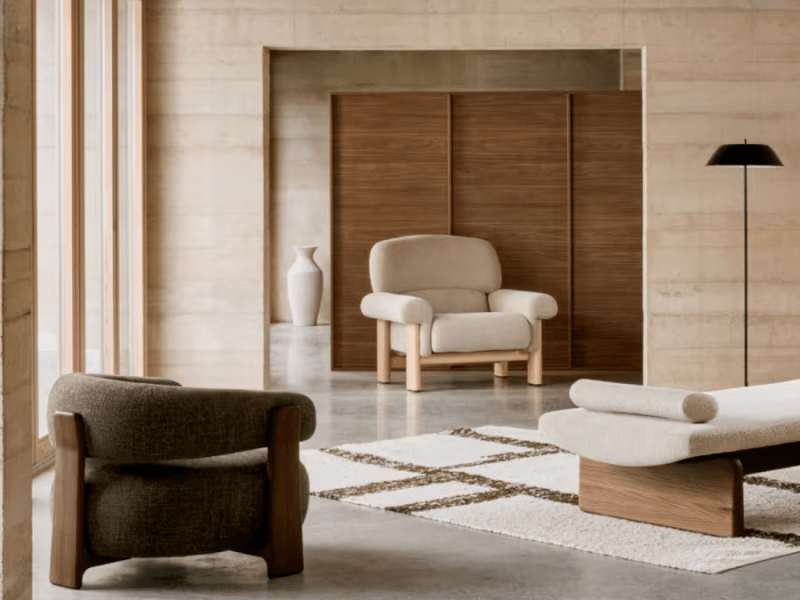
Soft whites, warm beiges, muted grays—these tones form the backbone of minimalist design. They create harmony, allowing a few carefully chosen pieces to shine.
3. Natural Light
Large windows, sheer curtains, or even reflective surfaces—light is a key player. Minimalist spaces welcome natural light as part of the design, making rooms feel more alive.
4. Functional Furniture
Every piece earns its place. Minimalism favors furniture that is simple, well-made, and functional—without excess ornamentation but with timeless design.
5. Quality Over Quantity
It’s not about how much you own, but how meaningful each piece is. Choosing a few items of high quality adds depth and longevity to your interiors.
6. Hidden Storage
Minimalist homes often use clever storage to reduce visual noise. Cabinets that tuck things away, drawers that keep surfaces clear—it’s about keeping what you need, but out of sight.
7. Natural Materials
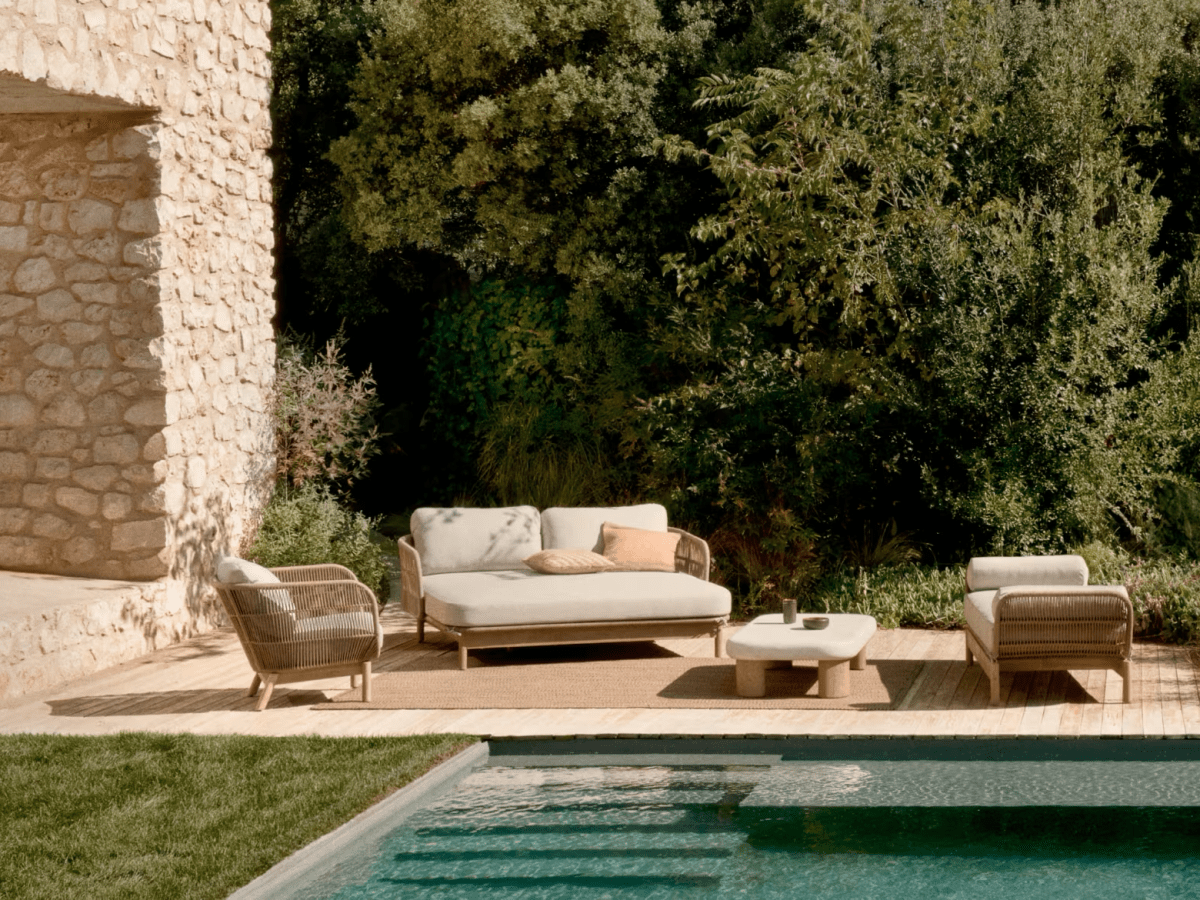
Wood, stone, linen, clay—these materials bring texture and warmth without breaking the calmness of minimalism. They connect the home back to nature, grounding the design.
8. Statement Accents
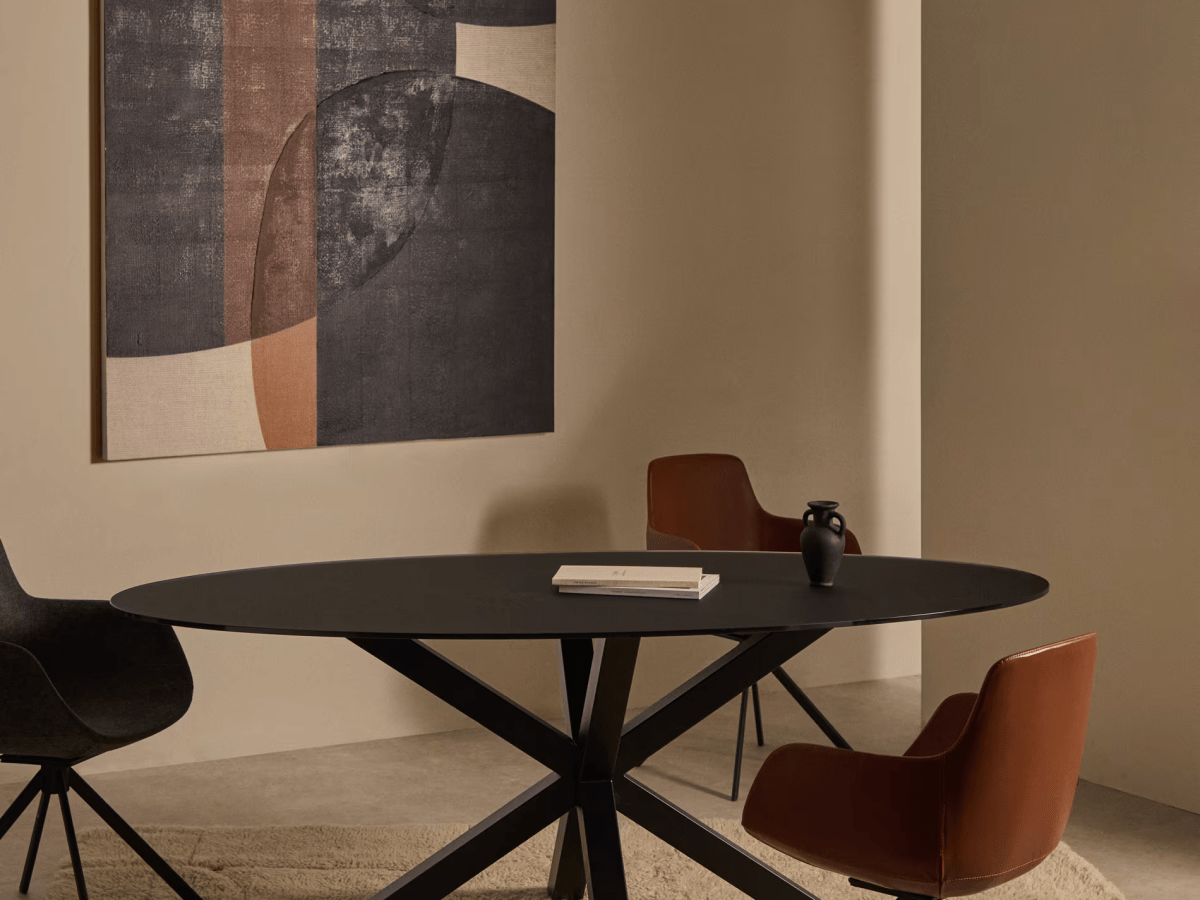
Minimalism isn’t about nothingness. It’s about allowing one bold piece—a sculptural vase, an abstract artwork, a textured rug—to speak without competition. These days I like my statement piece to be an object that means something to me sentimentally as well.
9. Clean Lines
From architecture to furniture, straight lines and simple silhouettes are central. They keep the eye relaxed and the space feeling balanced.
Résumé
Minimalism, in the end, is less about rules and more about intention. It’s about slowing down, choosing thoughtfully, and creating homes that feel like sanctuaries. For me, adopting these cornerstones has been less of a design project and more of a life shift—learning that less can indeed be more, and that calm is a design choice just as much as it is a feeling. If you’re drawn to this style, try weaving these principles into your home one by one, and notice how the energy of your space begins to change.
Until next time —
Stay intentional, stay inspired.
— The Edit
Featured image source



 INTERIORS BY FLO
Leave a comment