Hi, friend — welcome back to the edit.
Lately, I’ve been paying closer attention to the little choices I make inside my home, and I’ve realized that sustainability is not a loud or radical act, but rather a quiet commitment to living in a way that honors both comfort and conscience. What surprised me most is that creating a more sustainable space doesn’t feel like a limitation—it feels like a design principle in itself, one that adds depth, character, and meaning to the everyday corners I live in.
When I first started thinking about sustainability, I was worried it might mean stripping things away, living with less beauty, or focusing too much on rules. But over time, I’ve come to see that thoughtful choices—whether it’s choosing natural fibers, repurposing a piece of furniture, or simply buying less—don’t take away from the sense of home. On the contrary, they bring me closer to a space that actually reflects who I am and what I care about. A room feels more whole when you know that the story behind it is kind to the world outside its walls.
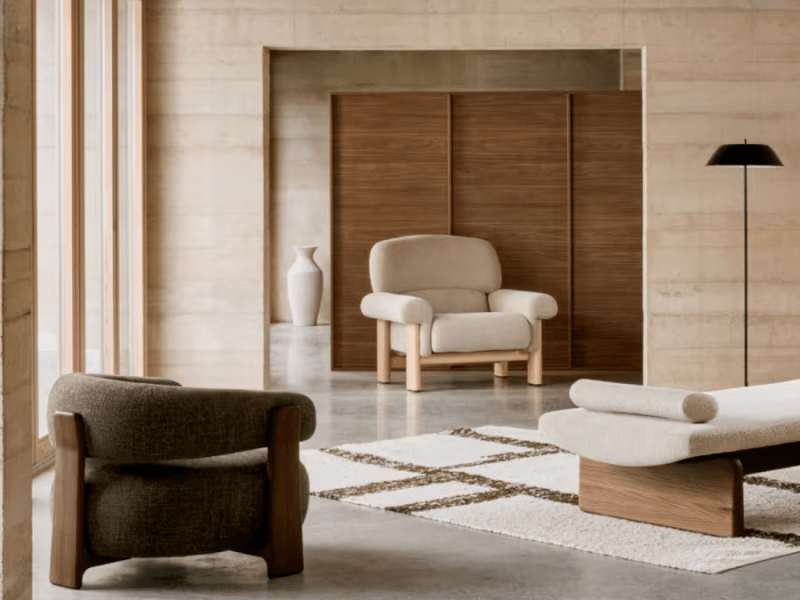
What makes this shift even more meaningful is the way it slows you down. Instead of rushing to fill every empty shelf or buy into every trend, I’ve started asking myself what will last, what I’ll still love five or ten years from now, and what feels aligned with the rhythms of my everyday life. A handcrafted wooden bowl, an old chair restored with fresh fabric, or even a stack of books found secondhand—they carry with them a kind of presence that mass-produced objects simply don’t. Their imperfections remind me that beauty is often found in the details that can’t be replicated, and that is perhaps the most sustainable design principle of all.
On a personal level, this journey has shifted how I relate to my home. There was a time when I decorated quickly, chasing after an image of “finished,” but I found that what I ended up with didn’t really feel like me. Slowing down and choosing things with care has taught me that a sustainable home is built not overnight, but slowly, piece by piece, as you gather what truly resonates with your life. There’s no pressure to have it all at once—just the quiet confidence that every choice is intentional, and every object holds meaning.
Sustainability also adds a layer of intimacy to interior design. When I light a candle made from natural wax or curl up under a handwoven throw, I don’t just feel warm physically—I feel connected to a tradition of craftsmanship, of people who create with respect for materials and for the earth. This awareness, small as it may seem, changes the atmosphere of a room. It makes me more grateful for what I already have, more protective of the calm that surrounds me, and more eager to preserve it.
Perhaps the most beautiful realization is that a sustainable home doesn’t look one certain way—it can be minimalist or layered, bright or moody, filled with heirlooms or carefully chosen new pieces. What matters is not perfection but awareness, the understanding that every choice adds up. To me, sustainability has become less about rules and more about presence: being present with what I bring into my space, present with the way I care for it, and present with the joy it gives me in return.
In the end, I think of sustainability not as a trend or a challenge, but as an ongoing design conversation between myself and my home. It’s about finding beauty that lasts, creating spaces that breathe, and living with a kind of gentleness that extends beyond my walls. And honestly, when I look around and see a room filled with things chosen with love, patience, and care, it feels like the calmest, most grounded version of home I could ever wish for.
Until next time —
Stay intentional, stay inspired.
— The Edit
FEATURED IMAGE SOURCE



 INTERIORS BY FLO
Leave a comment